Caregiving can fill the day with other people’s needs, so gifts that support comfort, organization, and small moments of rest can feel especially thoughtful.
These 12 ideas include useful options for home, work, and downtime. Consider the recipient’s routines and preferences to find something that fits naturally into their life.
12 Gift Ideas for Caregivers
PuroAir 100i Smart HEPA Air Purifier
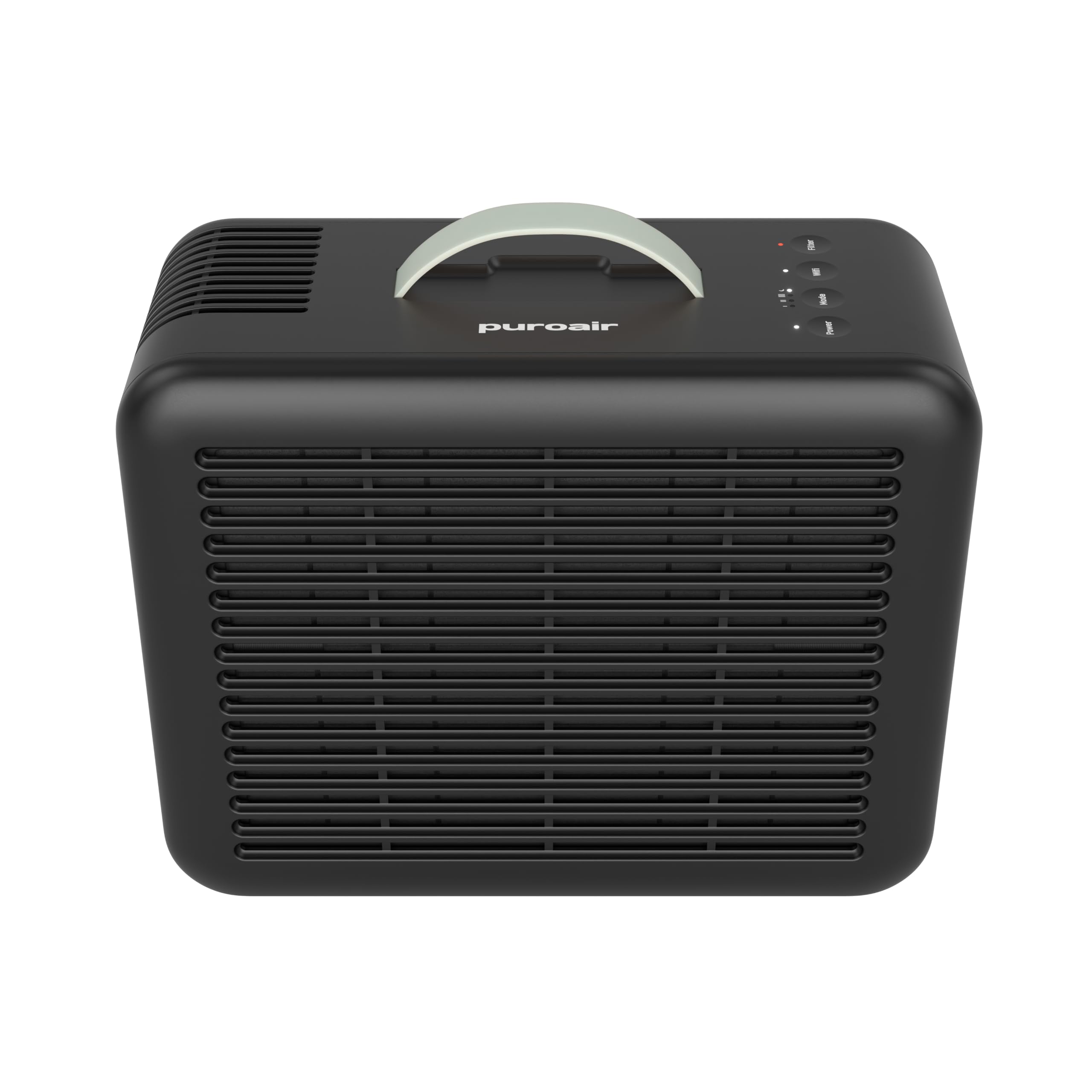
- Sized for rooms up to 550 square feet in one hour.
- Uses a three-layer filtration system with a pre-filter, HEPA filter, and activated carbon.
- Can be controlled from a phone through the app.
Best Gift For: A caregiver who would appreciate a compact air purifier for a bedroom, office, or pet-friendly home.

Zyllion ZMA-13 Shiatsu Back and Neck Massager
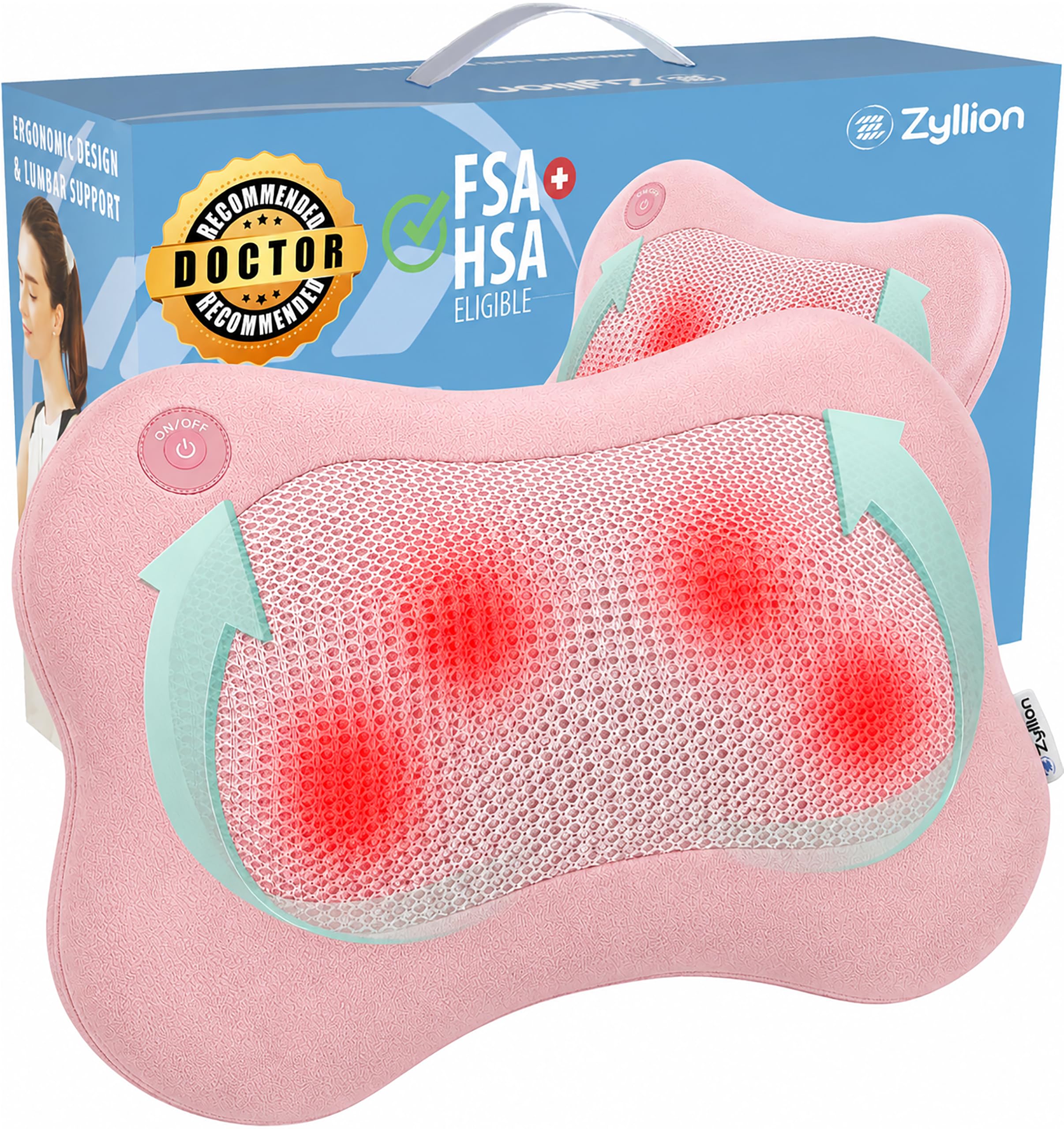
- Provides a kneading massage with soft silicone nodes.
- Straps can secure it to an office chair or car headrest.
- Includes an auto shutoff after 20 minutes.
Best Gift For: A caregiver who would enjoy a kneading massage for the back or neck during a break at home.
Hydracy 2L Motivational Water Bottle
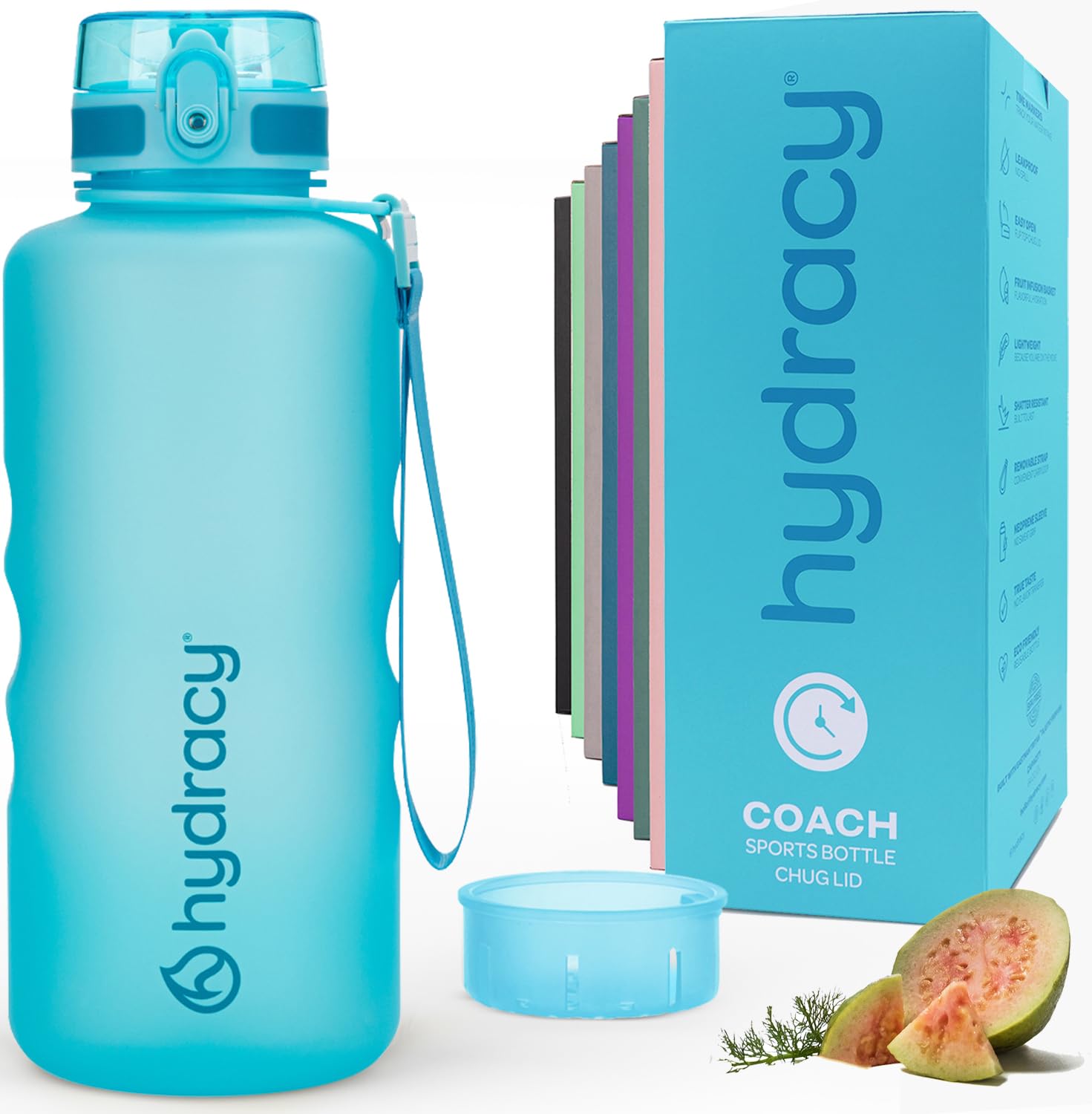
- A timeline on the bottle offers reminders for when to take a sip.
- Made from BPA-free Tritan plastic.
- Includes a detachable carry strap and a flip-top lid.
Best Gift For: A caregiver who likes a reusable bottle to keep nearby during a busy day or an outdoor walk.
TAGRY X08 Wireless Earbuds
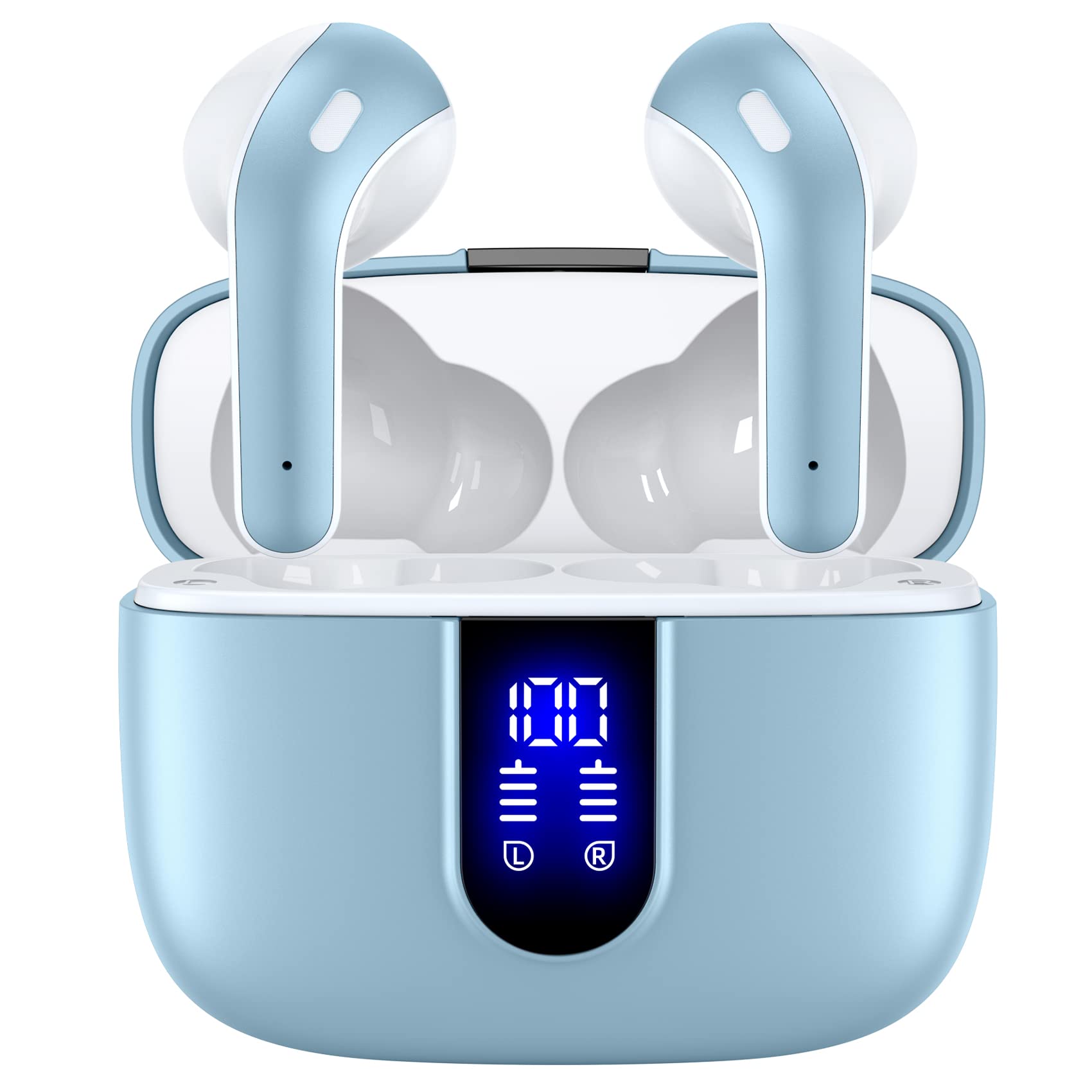
- The case supports wireless charging and USB-C cable charging.
- Includes three different sizes of ear tips.
- Each earbud has a built-in microphone for calls.
Best Gift For: A caregiver who enjoys listening to music, podcasts, or audiobooks while commuting or taking a break.
Best Choice Products Shiatsu Foot Massager
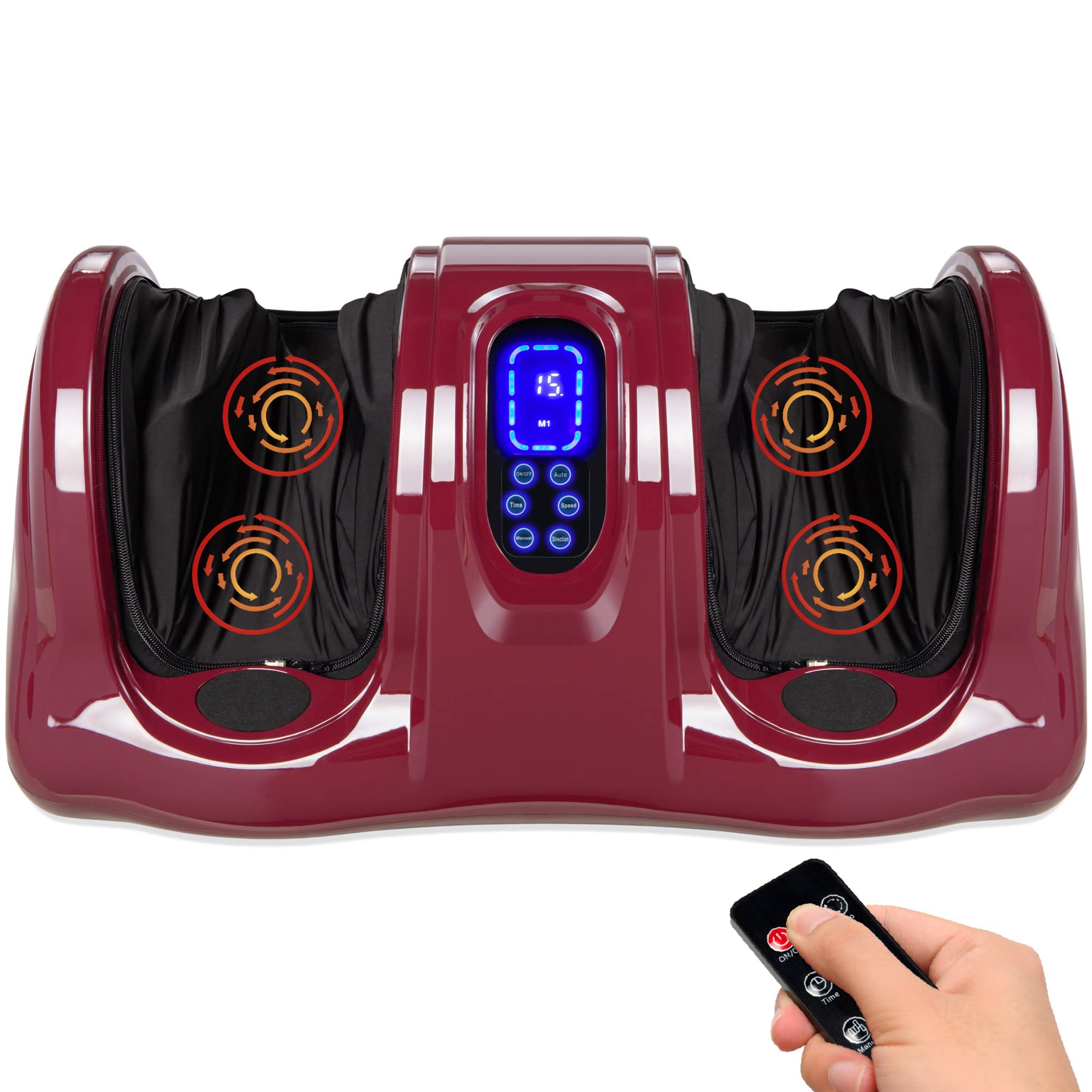
- Offers automatic, custom, and manual settings controlled by a remote.
- Automatic mode has three massage modes for the toes, arch, and sole.
- A built-in handle makes it easier to take the massager on the go.
Best Gift For: A caregiver who would welcome a foot massage after a long day on their feet.
Everlasting Comfort Memory Foam Foot Rest
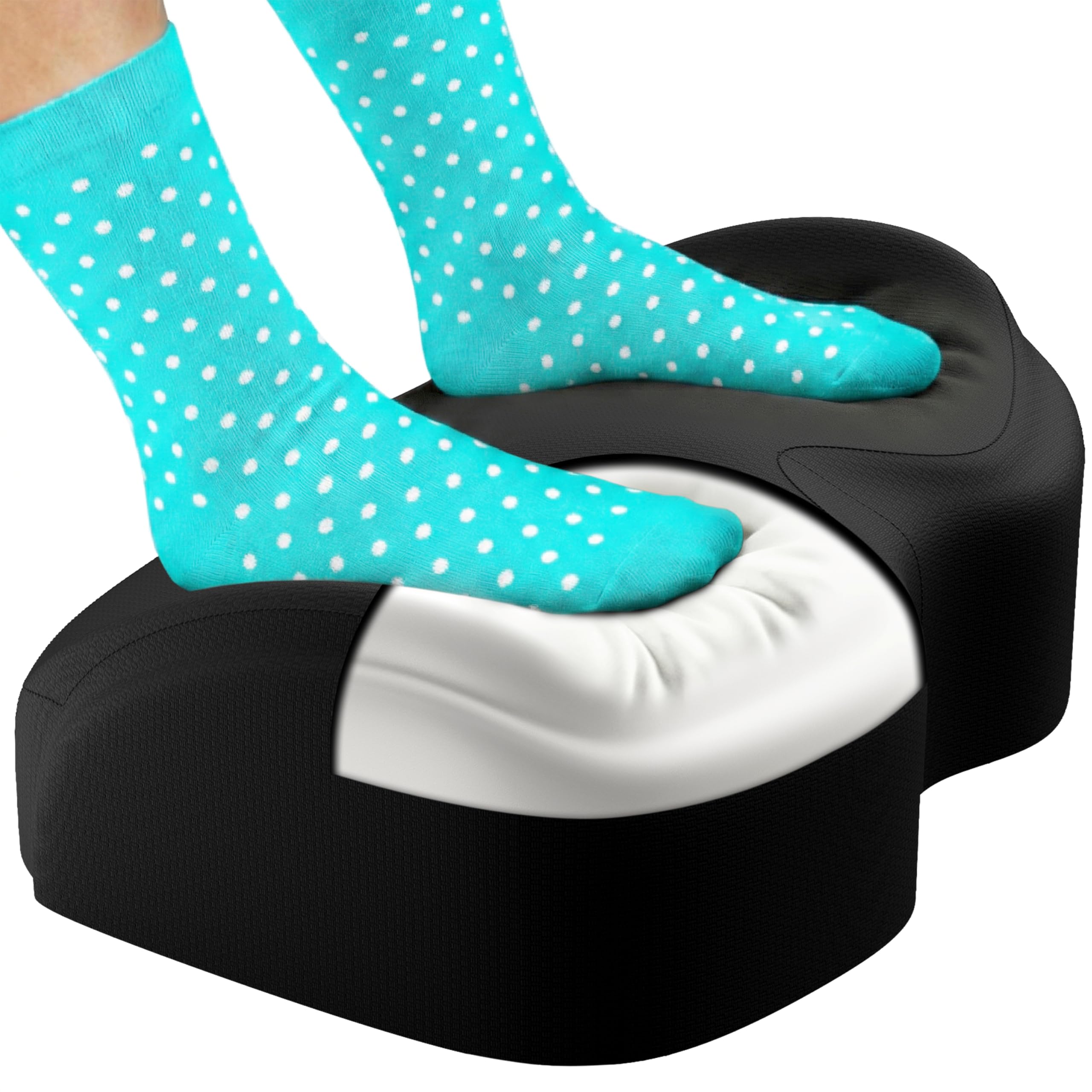
- The memory foam design keeps feet elevated at a desk.
- The breathable cover is machine washable.
- A non-slip bottom is designed for carpet, tile, or hardwood floors.
Best Gift For: A caregiver who spends time working or handling plans at a desk or home workstation.
SHOKZ OpenMove Open-Ear Sport Headphones
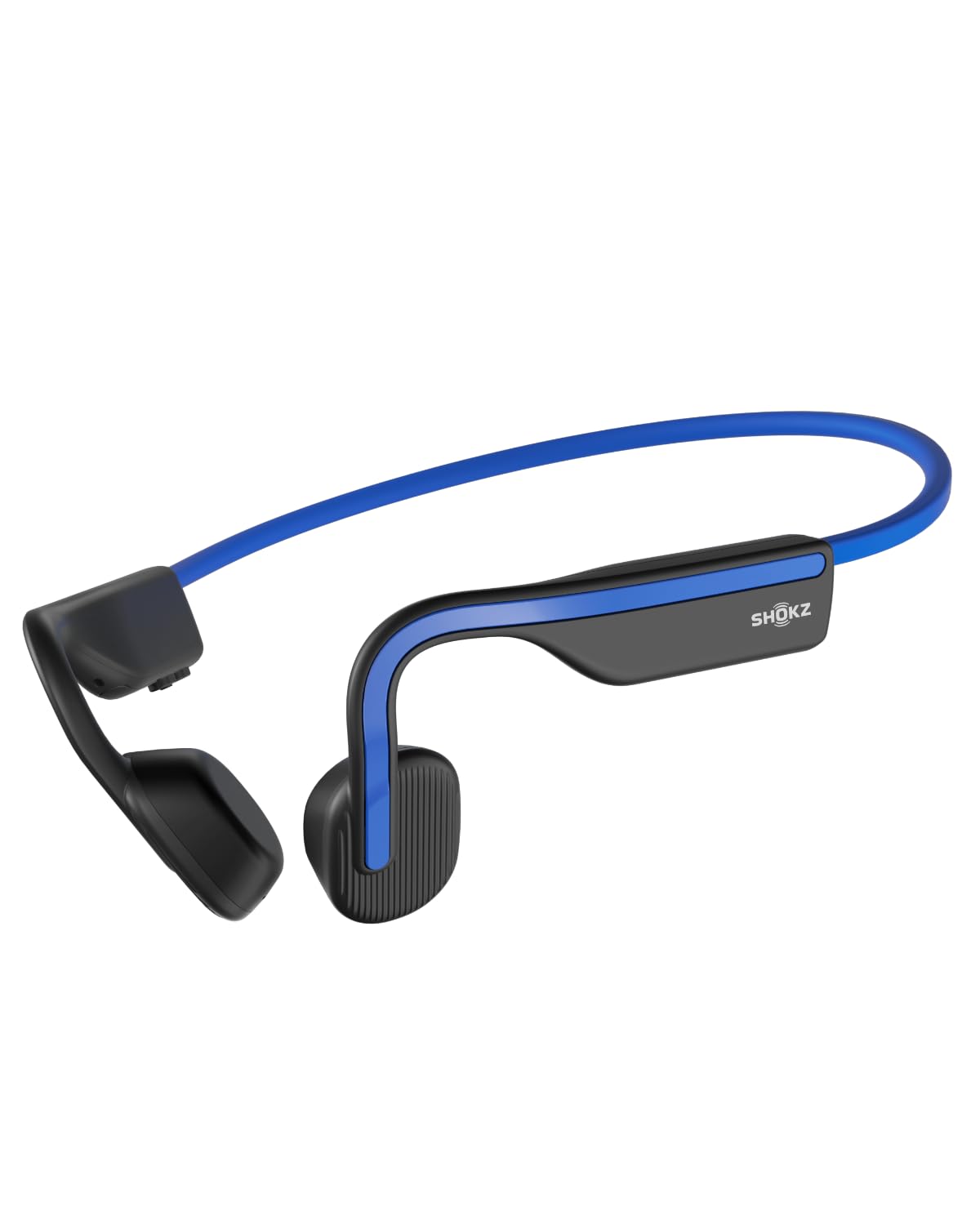
- The earbud-free design is made for all-day listening without ear fatigue.
- A wraparound titanium frame helps keep the headphones in place.
- Includes a USB-C cable.
Best Gift For: A caregiver who listens to audio during walks, commutes, or low-impact workouts and prefers an open-ear design.
Cross Edge Sonic Titanium Gel Ink Pen
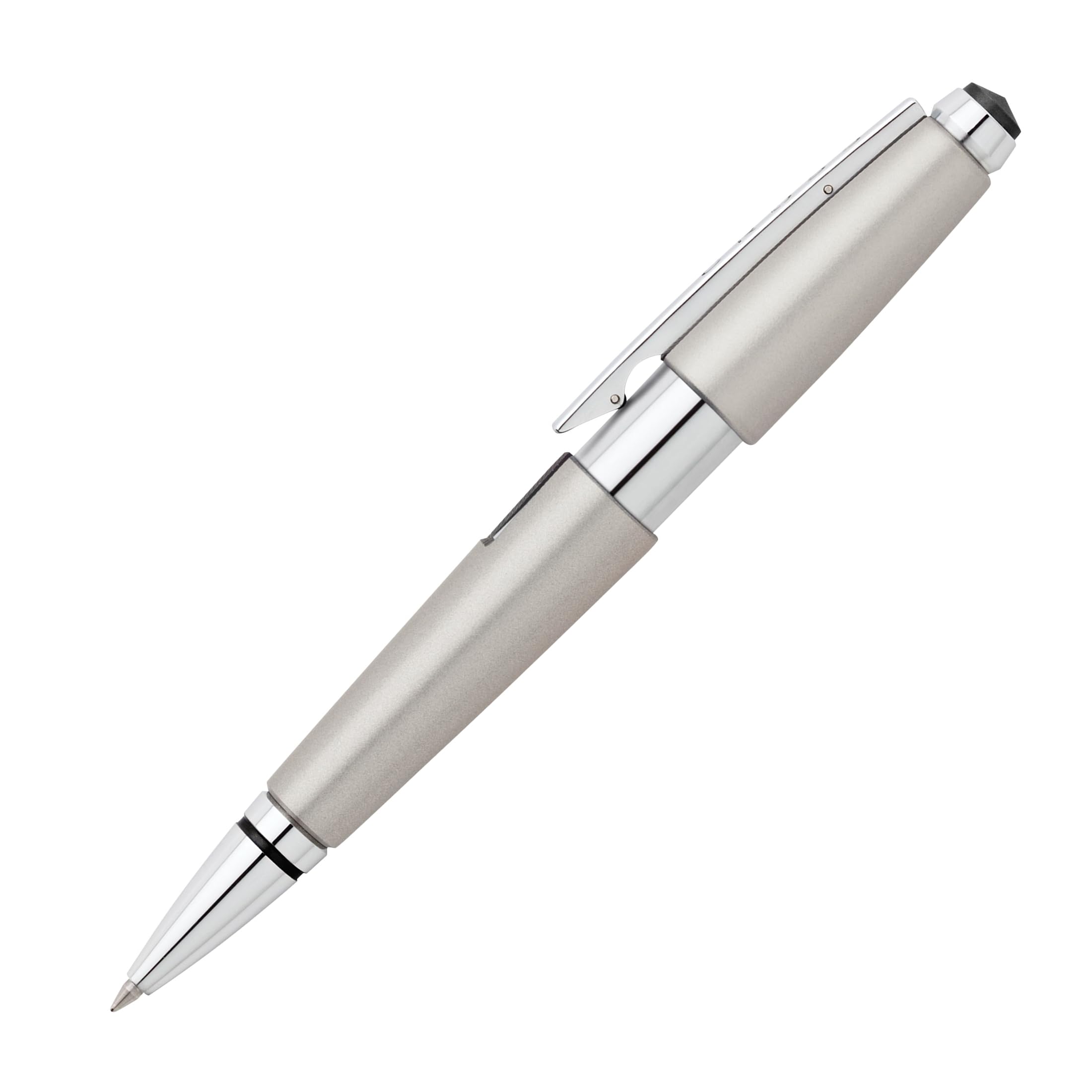
- Has a capless slide-open and snap-shut design.
- Its wide-girth body combines metal and resin.
- The comfortable grip is suited to writing and journaling.
Best Gift For: A caregiver who appreciates a distinctive pen for notes, lists, or journaling.
MyHalos 3D Sleep Mask, 2-Pack
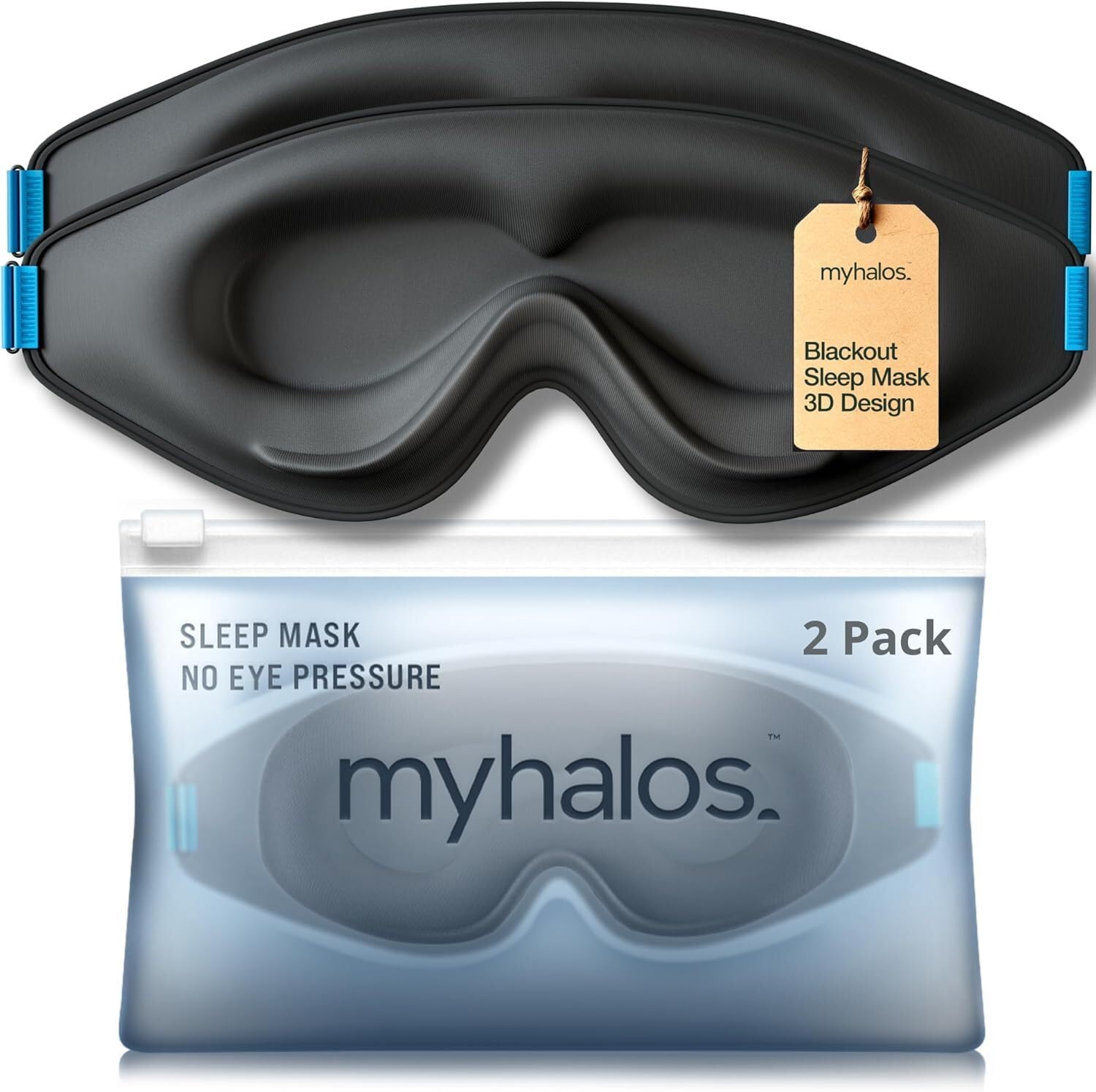
- The contoured design is made to block light.
- Deep eye cups are designed to avoid contact with eyelids or lashes.
- Includes a protective travel pouch.
Best Gift For: Night shift workers, frequent travelers, and light-sensitive sleepers
Clever Fox Planner PRO Light

- Includes monthly, weekly, and daily planning layouts.
- Its undated format can be started at any time of year.
- Comes with a quick-start guide and planning stickers.
Best Gift For: A caregiver who likes to plan weekly tasks and personal goals in one place.
Bare Home Cotton Weighted Blanket, 20 lb
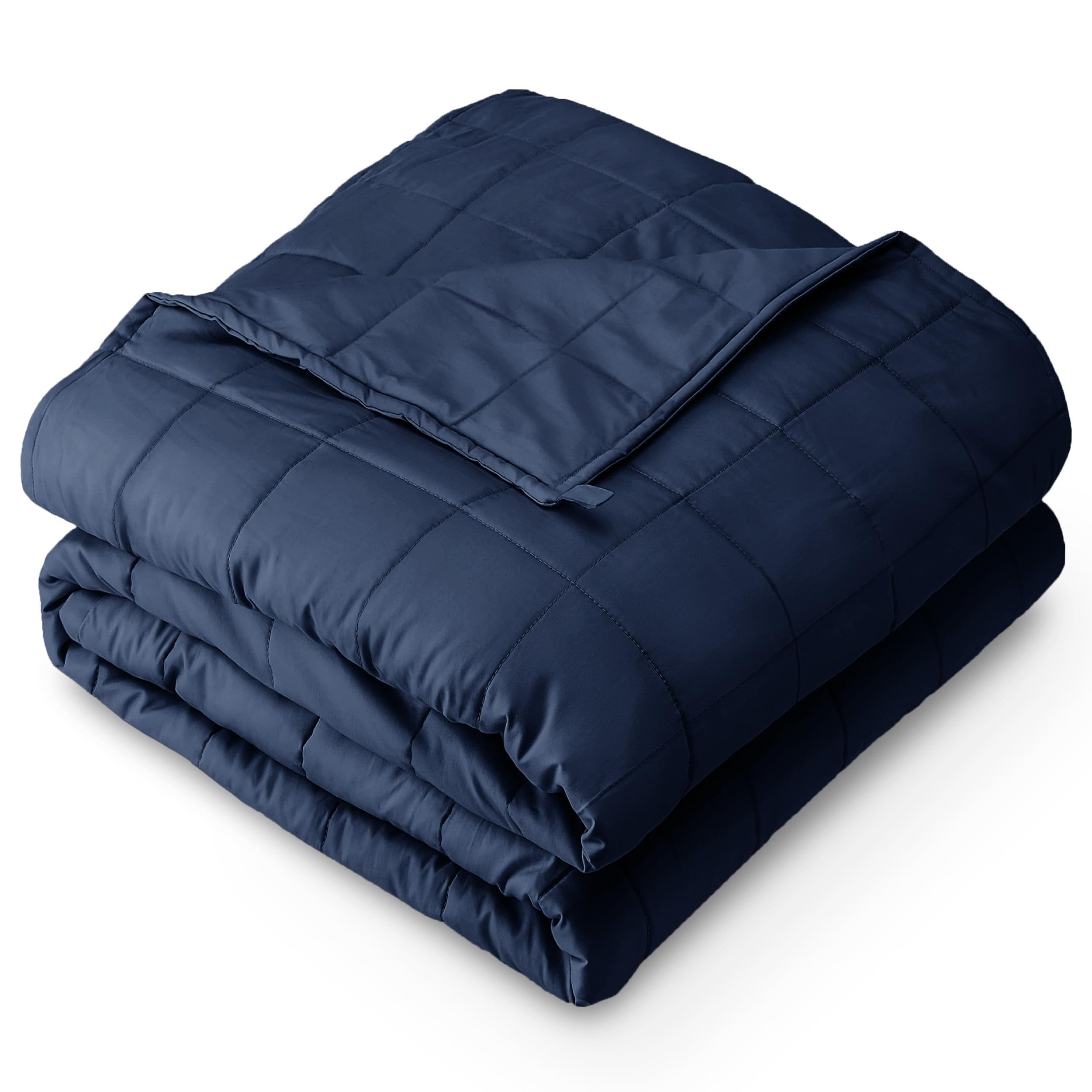
- Made with cotton fabric and glass bead filling.
- Reinforced stitching is designed to prevent beads from shifting or leaking.
- Can be machine washed on a cold, gentle cycle.
Best Gift For: An adult caregiver who would enjoy a weighted blanket and has checked that its size and weight suit their needs.
SONGMICS Adjustable Bed Laptop Desk
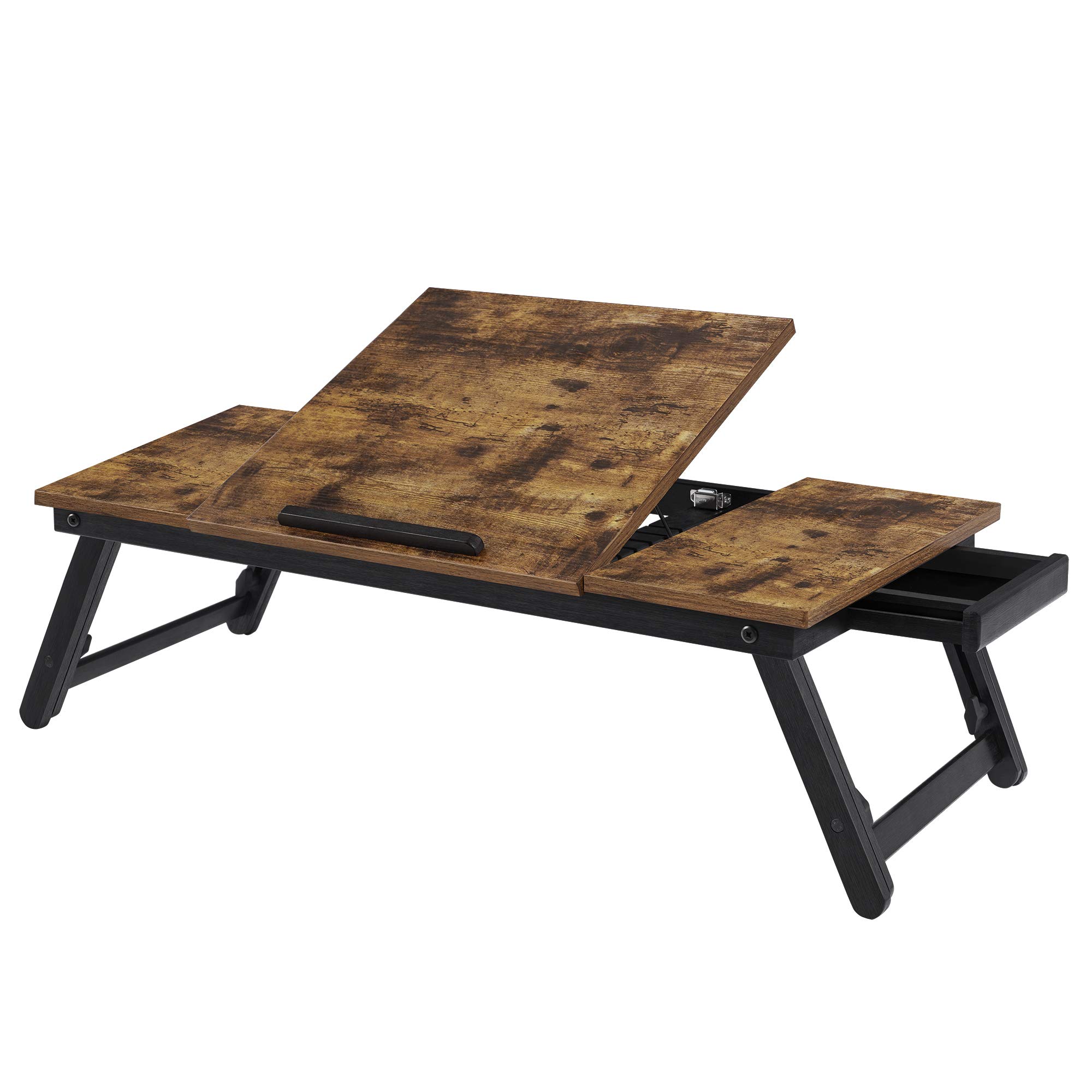
- The legs adjust in height, and the top has five angle settings.
- The desktop provides mouse space on either side.
- The folding tray can also serve as a breakfast surface.
Best Gift For: A caregiver who would use a portable surface for reading, writing, or working from bed or a sofa.
Choosing gifts for caregivers under 100
When choosing gifts for caregivers under 100, start with the kind of day the person actually has. Someone moving between appointments may value a portable comfort or audio accessory, while a caregiver who spends more time at a desk could appreciate a small upgrade to their work area.
Think about whether the gift will be used at home, at work, or while traveling. A planning tool can help someone who likes written lists, while a quiet moment at home may call for a comfort-focused choice.
If you are unsure, choose an item that complements an existing routine rather than adding another task.
Personal preferences matter as much as the general idea. Check whether the recipient already owns something similar, has sensitivities around materials or touch, or has enough space for a larger item.
A brief conversation with a family member can help you choose without taking the surprise out of it.
Balance budget with everyday usefulness
A modest gift can still feel considered when it solves a small everyday irritation or supports a pleasant habit. Decide whether you want a simple gesture, something the recipient can use frequently, or a more substantial comfort item, then weigh that against storage needs and how often it may be used.
For larger comfort products, take time to consider fit and space before buying. Check current dimensions, compatibility, care instructions, and whether the recipient has room to store the item.
For anything that comes into close contact with the body, individual comfort and preference should guide the choice.
If several ideas seem right, use the actual current price to compare options within your own budget. Prices can change, and the amount alone does not predict whether a gift will suit the person.
A useful, easy-to-use item can make more sense than a larger purchase that is awkward to fit into a full schedule.
Personalize the moment
For gifts for caregivers under 100, a personal note can explain why you chose the item: perhaps it is meant to make a workday more comfortable or to offer a little rest after a demanding week. Keep the message warm and specific to your relationship, without implying that the gift can fix the pressures of caregiving.
Presentation can be simple. Wrap a desk item with a handwritten card, or pair a small practical gift with a favorite snack or a planned coffee break if that suits the recipient.
For a larger item, a note tucked into the packaging can make the reason for choosing it clear.
Respect the recipient’s boundaries and preferences. Some people enjoy visible pampering gifts; others would rather receive something discreet or practical.
If you are giving to a colleague, consider a modest, easy-to-accept gesture. For a close friend or relative, a shared meal or offer of help may make the gift feel more personal.
Plan for timing and last-minute buying
If you are shopping close to an occasion, focus on items that are straightforward to choose and easy to present. A card, a small desk companion, or a practical accessory can be thoughtful without requiring a complicated setup.
For products that need specific sizing or personal fit, take a moment to confirm the details before placing an order.
Check current product details and compatibility, especially for items used with a phone, a workspace, or a bed. Confirm dimensions against the intended location, and review care guidance if the recipient may prefer machine-washable or low-maintenance items.
These checks can prevent a well-meant gift from creating an extra errand.
Before ordering, review delivery estimates for your address and leave time for wrapping or a personal note. If the timing is uncertain, an in-person card explaining the gift can preserve the occasion while the package is on its way.
Choose based on the recipient’s routine and preferences, and keep the gesture flexible and kind.
Make the gift fit their routine
A good caregiver gift should feel like an invitation, not an obligation. Avoid framing a present as something the recipient must use every day or as a solution to a health concern.
A lighter touch lets them decide when and how it fits into a busy life.
If the person has a demanding schedule, practical details can shape whether a gift gets used: where it will live, whether it needs charging or setup, and how easy it is to clean or put away. Think through those questions before buying, and ask someone close to them if a household preference is unclear.
The most thoughtful choice often reflects something you have noticed: they like making lists, enjoy a quiet break, or appreciate a comfortable place to sit. Add a short message and give them room to enjoy the item in their own way.
Small, attentive gestures can recognize the care they give every day.